

FibroScan at Horizon Family Medical
.avif)
What is a FibroScan?
A FibroScan is a quick, non-invasive test that measures how healthy your liver is. It helps detect scarring (fibrosis) and fat buildup (steatosis) in the liver. It’s often used for people with conditions like hepatitis B or C, fatty liver disease, NASH, or cirrhosis.
Unlike a liver biopsy, FibroScan doesn’t require a needle or sedation, and results are available right away.
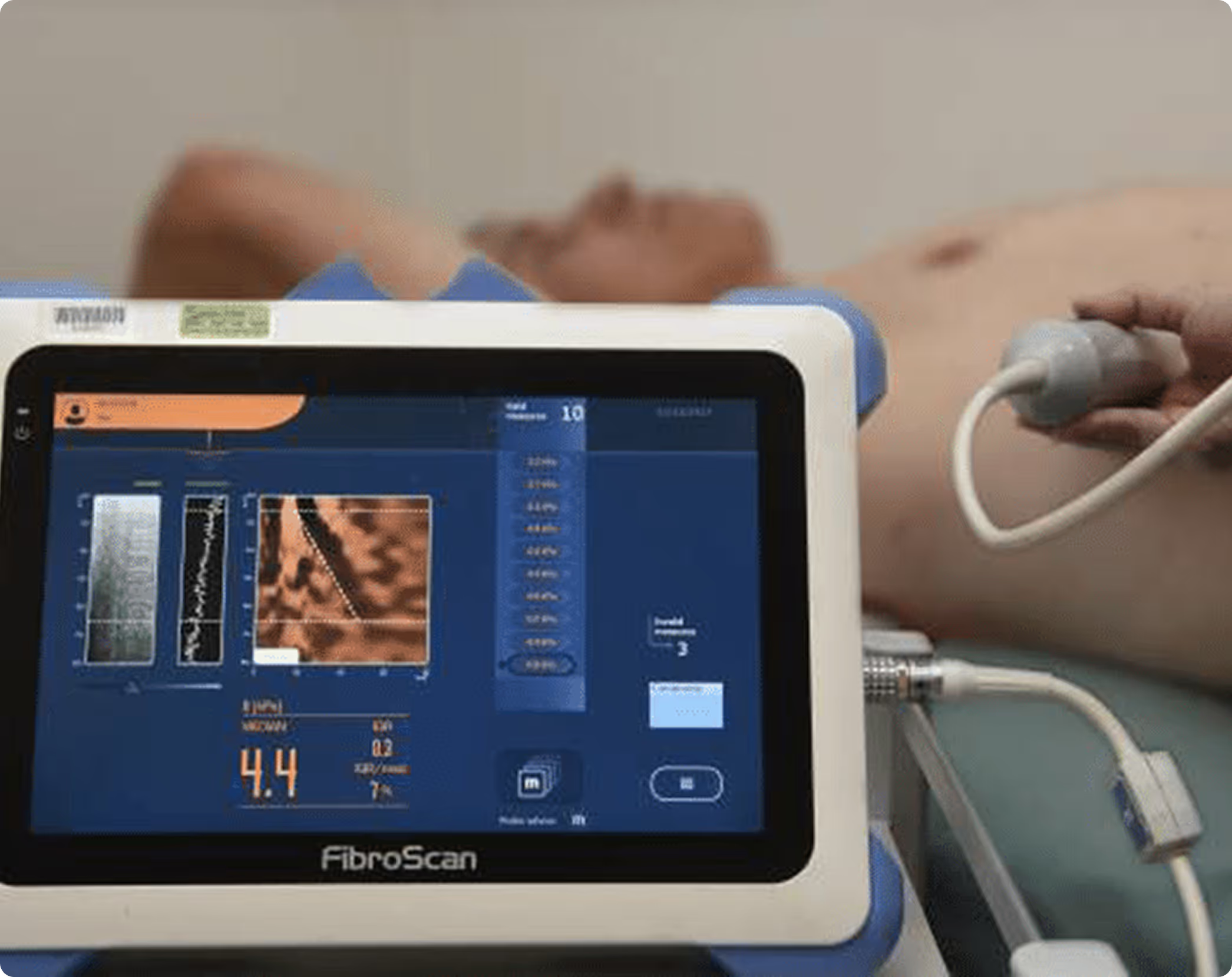
What the FibroScan Detects
Liver fibrosis
Measures how stiff your liver is to determine how much scarring is present.
Fatty liver (steatosis)
Shows how much fat has built up inside your liver.
Cirrhosis
Detects severe liverscarring, a sign of advancedliver disease.
.avif)
Who Might
Need a FibroScan
Your doctor may recommend the test if you have risk factors for liver disease, including:
• Diabetes, high cholesterol, or obesity
• Metabolic syndrome
• Fatty liver or NASH (non-alcoholic steatohepatitis)• Alcohol use
• Autoimmune hepatitis
• Hepatitis B or C
• Genetic liver conditions (like hemochromatosis or Wilson’s disease)
How the Test Works
FibroScan uses sound waves to measure how stiff or fatty your liver is.
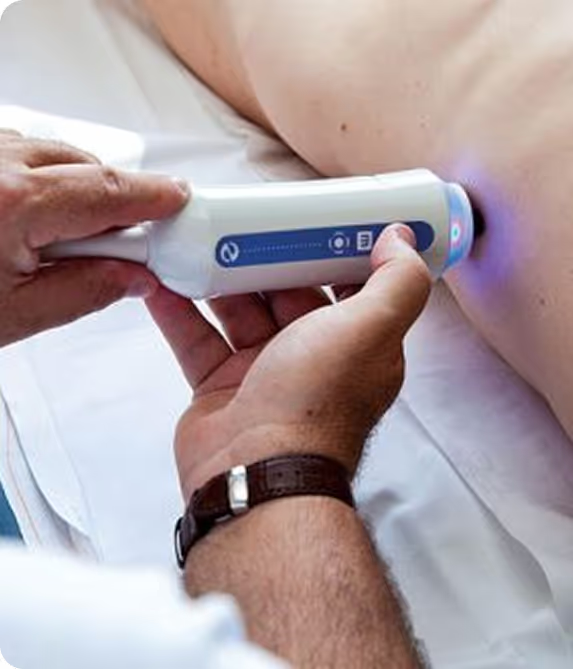
You’ll lie on your back with your right arm raised.
.avif)
A technician places a small probe (like an ultrasound wand) over your liver.
.avif)
You may feel a gentle vibration as the device sends painless pulses into the liver.
.avif)
The machine measures how fast sound waves move through the tissue.
- Faster waves = stiffer tissue (more scarring)
- Slower waves = healthier liver.
The Results
You’ll receive two main scores:
- kPa (kilopascals):
Measures liver stiffness and scarring. - CAP (Controlled Attenuation Parameter): Measures the amount of liver fat.
Why Doctors Use FibroScan
FibroScan helps your care team:t
Non-invasive
No needles, no incision.
Pain-free
No anesthesia or sedation needed.
Fast
Takes about 10–15 minutes.
No recovery time
You can return to normal activities right after.
Fatty Liver: A Common and Reversible Problem
About 1 in 4 adults in the U.S. has some form of fatty liver disease often without knowing it. It’s especially common in people who are overweight, have diabetes, or high cholesterol.

Key Facts
- Often called a “silent epidemic” because there are few symptoms.
- Up to 75% of people with obesity and 67% with type 2 diabetes may have it.
- If untreated, it can lead to MASH (metabolic dysfunction-associated steatohepatitis) a more serious form that can cause cirrhosis or liver failure.
FibroScan and Early Detection
FibroScan is a powerful tool for catching fatty liver early, when it’s still reversible.T
Detects fat and scarring
Measures both liver fat (CAP score)Tand stiffness (kPa score).
Finds hidden damage
Can detect issues even when bloodtests look normal.
Tracks progress
Because it’s safe and repeatable,it’s ideal for ongoing monitoring.
How to Reverse Fatty
Liver and Protect Your Liver
The good news: early fatty liver disease can be reversed.
.png)
Eat a balanced diet
The Mediterranean diet — rich in fruits, vegetables, whole grains, and healthy fats — is ideal. Avoid processed foods, sugary drinks, and excess salt.
Lose weight
Even a 5–10% loss can significantly reduce liver fat.
Exercise regularly
Both cardio and strength training help.
Limit alcohol
Alcohol can worsen liver damage.
Manage health conditions
Keep diabetes, cholesterol, and blood pressure under control.
.png)
New Medications for
Advanced Fatty Liver (MASH)
If lifestyle changes aren’t enough, medications may help reduce inflammation and scarring:
Wegovy (semaglutide)
FDA-approved for adults with MASH and moderate -to-severe scarring.
Rezdiffra (resmetirom)
The first oral drug approved for MASH with moderate-to -advanced fibrosis.
Pioglitazone
A diabetes medication that can improve liver health in some patients.
FibroScan is a safe, quick,and painless way to check your liver health.
It helps detect early signs of liver disease, guide treatment, and track improvement all without the need for surgery or sedation.
If your doctor recommends a FibroScan, it’s an important step in protecting your liver and preventing serious complications down the road.

.svg)
